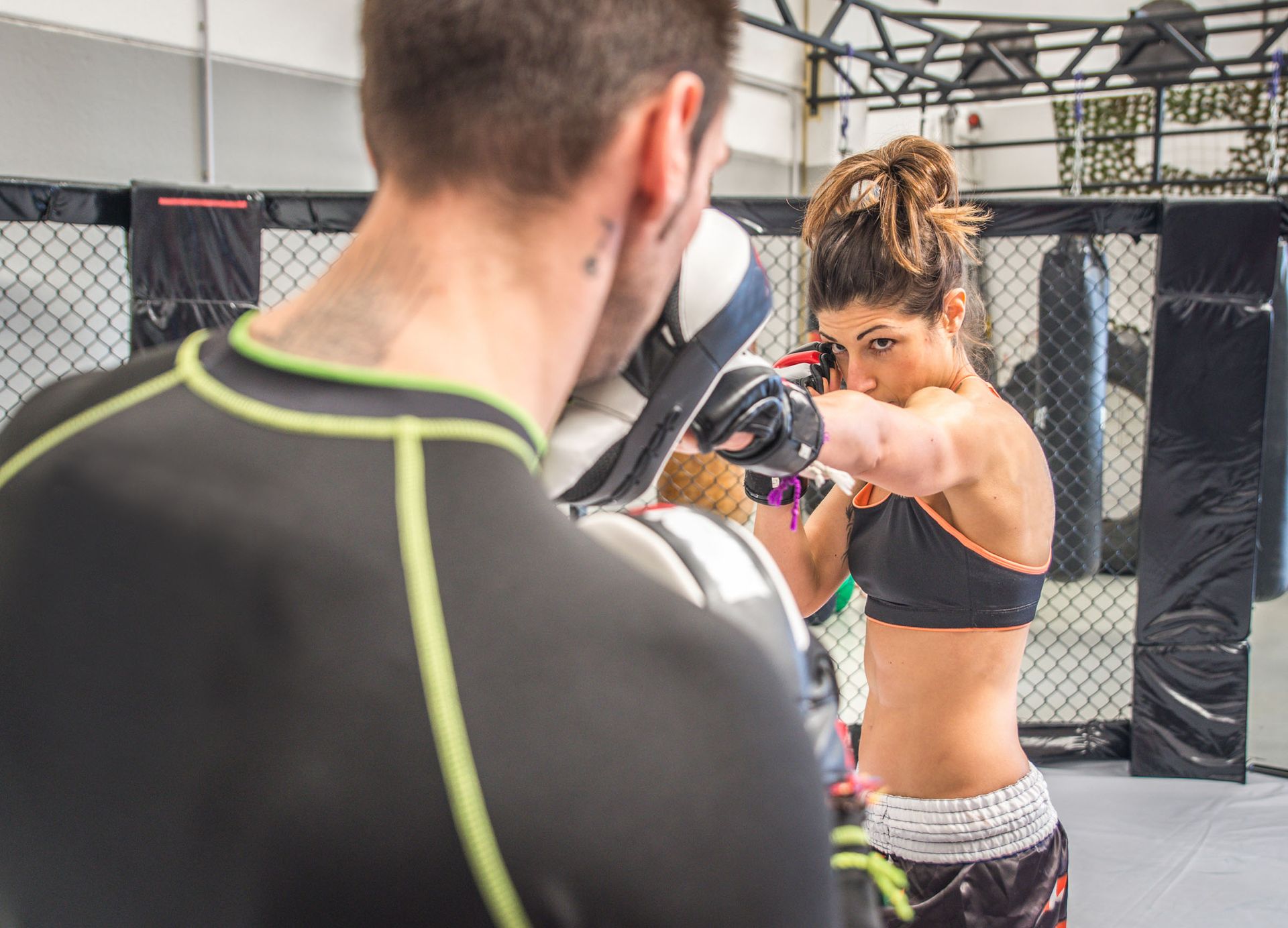
Walking into a boxing gym for the first time can bring a mixture of interest and uncertainty. The sport may look familiar from watching others, but learning it under instruction introduces a different experience. You do not need to arrive with polished technique or a competitive goal. Preparation is about making room to listen, move, ask questions, and begin learning without putting unnecessary pressure on the first visit.
A useful approach to a first boxing lesson starts with practical decisions about the training format, what to bring, and what you hope to learn. Those choices help remove distractions so attention can stay on the instruction. Equally valuable is a realistic understanding of progress: learning a stance or following a combination takes practice, and early corrections are part of that process. The goal is to arrive ready to participate, not to prove ability before instruction has begun.
Give Your First Visit a Clear Purpose
People begin boxing for different reasons, including fitness, stress relief, confidence, or an interest in the sport itself. Identifying the reason that matters most gives the first visit some direction without requiring an elaborate training plan. A simple goal, such as becoming more comfortable with the fundamentals, is enough to begin a useful conversation with a trainer. It also helps separate personal interests from assumptions about what a boxer should already be able to do.
The first boxing lesson can then become an opportunity to understand how instruction relates to that goal. Someone interested in general fitness may approach the experience differently from someone curious about future competition, even while both need foundational skills. Neither person needs to settle every long-term ambition immediately. Beginning with a clear interest and a willingness to learn gives the trainer something useful to work with while leaving room for goals to develop.
Choose a Format That Supports Your Learning
Group instruction and one-on-one training offer different settings for a boxing lesson: a group class provides a shared learning environment, while private instruction directs the trainer's attention toward one participant's goals and progress. Considering that difference before scheduling helps clarify what kind of support you want. The choice can reflect comfort with learning around others, a preference for individual attention, or a particular goal you want to discuss in more depth.
Experience level and personal needs belong in that conversation too. Beginner instruction should provide a starting point for someone who has never trained, while adapted boxing programs can address participants' individual abilities and needs. Ask how the available format relates to your situation rather than assuming that every class operates identically. For someone seeking adapted instruction, explaining the support that makes participation practical gives the trainer a clearer understanding of what matters before training begins.
Language preferences are another practical detail to raise before attending. If you prefer instruction in English or Spanish, confirm the available option when arranging the visit so you know what to expect. Being comfortable with the language of instruction can make it simpler to ask a question or understand a correction, especially when boxing terms and the movements they describe are unfamiliar.
Settle Clothing and Equipment Questions Early
Comfortable workout clothing and a water bottle are practical starting points for preparation. Choose clothing that lets you participate comfortably in an active class, and confirm any additional requirements when arranging the visit. Getting those details settled beforehand keeps attention on learning once you arrive. There is little value in spending the opening minutes uncertain about an item that could have been discussed before leaving home.
Gloves and hand wraps deserve a separate question because beginners may have access to the necessary equipment through their program. Confirm what is supplied before deciding what to obtain independently. A trainer can explain how equipment relates to the instruction and when personal gloves or wraps may become relevant as training progresses. This keeps equipment decisions connected to actual participation rather than guesses based on what experienced boxers use.
For a first boxing lesson, knowing what to wear, bringing water, and understanding which equipment will be available provide a practical foundation. Questions about wraps and gloves belong with the instructor, including guidance on their use during supervised training. Keeping preparation straightforward leaves more attention available for the unfamiliar movements and directions that come with learning something new.
Arrive Ready to Follow the Instruction
Give the visit enough space in your schedule that you can arrive without unnecessary rushing. Confirm the start time and any arrival instructions when booking, so you understand how to be ready for the scheduled session. Attention is easier to direct toward a trainer when it is not divided between the class and an immediate obligation afterward. Arriving with a willingness to listen also matters more than trying to appear experienced. Stance and punch combinations are skills to learn through instruction, so uncertainty about them is a reasonable starting point.
During a boxing lesson, a correction provides information about the movement being taught. Focus on the trainer's explanation and ask for clarification when a direction is unclear, using that feedback to understand what needs attention. Understanding one instruction gives the next attempt a clearer purpose. This approach keeps the session centered on learning and makes it easier to recognize progress through small adjustments as movements become more familiar.
Make Communication Part of Participation
A trainer cannot know every concern simply by observing a new participant. Mention relevant experience, unfamiliarity with boxing, and any support needs that affect how you take part. If a movement or explanation is difficult to follow, saying so creates an opportunity for clarification. Communication is particularly useful when the surroundings, terminology, and physical demands are all unfamiliar at once, because silence can leave a simple misunderstanding unresolved.
It is also helpful to distinguish your own goals from the pace or experience of people nearby. A supportive group can include participants with different backgrounds, and another person's familiarity does not establish what your first visit should look like. Keep questions tied to your own understanding and the instructor's directions. If the training format is unclear, ask what participation involves instead of assuming that boxing instruction always means competition or contact with another participant.
Plan for Recovery and a Useful Follow-Up
According to Cleveland Clinic, high-intensity boxing workouts require recovery time, and two to three sessions per week is a suggested training schedule. That guidance makes recovery relevant when planning beyond a first boxing lesson, rather than filling every available day with demanding exercise. Discuss the class intensity and a suitable starting routine with the trainer. The aim is to make continued participation manageable while leaving room to recover between strenuous sessions.
After the visit, consider what became clearer and what still needs explanation. You may have a better understanding of the training format, a new question about equipment, or a particular instruction you want clarified next time. These observations give a later conversation more substance than judging the entire experience by how quickly you learned a combination. Early progress is easier to recognize when attention stays on understanding and participation, with future training shaped by what the first visit reveals.
The most useful preparation makes the first visit easier to approach with attention and realistic expectations. A willingness to communicate and accept instruction gives a beginner a practical starting point for continued learning. At Kayo Boxing, we offer beginner-friendly group classes and one-on-one training that support those first steps. Contact us to discuss the training format and preparation for your first visit.